Chest Pain Assessment & Urgent Care
Chest pain can be a sign of a serious medical emergency and should never be ignored. Studies clearly show that the most important thing to do if you experience chest pain or stroke symptoms is to call an ambulance and get to hospital immediately. Visiting a GP first can delay urgent specialist treatment by around 1 hour, and lifesaving treatments available in hospital emergency departments are not available in a GP clinic. Chest Pain Treatment In Moe supports awareness of timely care and appropriate medical guidance for patients seeking assessment and follow-up after emergency evaluation.
Studies clearly show that the most important thing to do if you have chest pain or stroke symptoms is to get an ambulance to hospital immediately. Going to a GP first adds about an hour to the time before hospital specialists can begin lifesaving treatments.
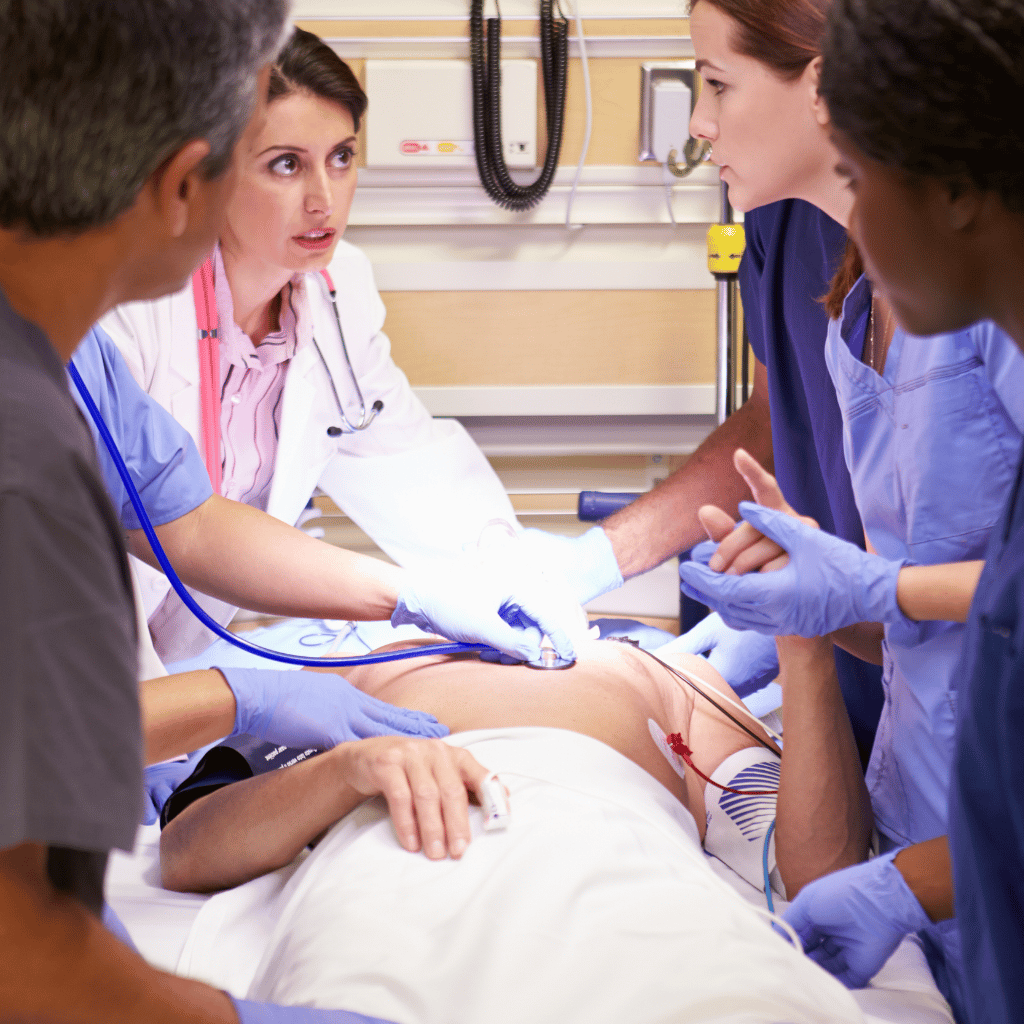
At Cranbourne East Family Clinic, we understand that patients may seek immediate medical advice when symptoms begin. Our clinic is equipped with an Automated External Defibrillator (AED) and provides urgent ECG (Electrocardiogram) testing, blood tests, oxygen therapy, and rapid clinical assessment to support patients while arranging emergency care when required.
Understanding Chest Pain
Chest pain can originate from the heart, lungs, muscles, digestive system, or other structures within the chest. Although some causes are less serious, chest pain should never be ignored, especially if it is sudden, severe, or associated with other concerning symptoms.
One of the most serious causes is a heart attack, which occurs when there is a sudden blockage of one of the coronary arteries supplying blood to the heart muscle. This interruption to the blood supply places the heart at immediate risk of life-threatening rhythm disturbances and, if not treated quickly, can result in permanent damage to the heart muscle.
Because heart muscle begins to die within minutes of losing its blood supply, every minute counts. Prompt medical treatment can save lives and minimise long-term complications.
Dial 000 immediately if you suspect a heart attack.
Common Warning Signs of a Heart Attack
A person experiencing a heart attack may have one or more of the following symptoms:
- Pain, pressure or discomfort in the centre of the chest
- A feeling of tightness, heaviness, fullness or squeezing in the chest
- Chest pain that develops suddenly or gradually over several minutes
- Pain that may be mild, moderate or severe
- Pain spreading to the neck, throat, jaw, shoulders, upper back, one or both arms, wrists or hands
- Pain that is felt only in the jaw, neck, shoulders, back or arms without obvious chest discomfort
Additional symptoms may include:
- Shortness of breath
- Sweating or cold clammy skin
- Nausea or vomiting
- Feeling dizzy, faint or light-headed
- Unusual fatigue or weakness
- A rapid, irregular or pounding heartbeat
- Anxiety or a feeling of impending doom
When Should You Seek Immediate Medical Attention?
Call 000 immediately if chest pain:
- Lasts for more than a few minutes
- Is severe or worsening
- Occurs with shortness of breath
- Spreads to your jaw, neck, shoulders or arms
- Occurs after physical exertion or emotional stress
- Is associated with sudden weakness or stroke-like symptoms
Do not attempt to drive yourself to hospital if you believe you may be having a heart attack. Calling an ambulance ensures that treatment can begin as soon as possible.